Vulvodynia is vulvar pain without a clear cause that lasts 3 months or longer. Common contributors include irritated nerves, myofascial trigger points, and pelvic floor muscle dysfunction, among others. A team approach to treatment works best, often combining pelvic floor physical therapy, gynecologic care, and mental health support. A pelvic floor physical therapist can calm sensitive tissues and teach you home techniques to reduce pain and improve tissue flexibility.
What is vulvodynia?
Vulvodynia is pain or discomfort in the vulva that does not have a clear cause. To qualify as vulvodynia, the pain must be present for 3 months or longer. Your healthcare provider must also rule out other possible causes of the pain, including infections.
Also known as: vulvar dysesthesia, vestibulitis, vulvar vestibulitis, and vulvar vestibular syndrome.
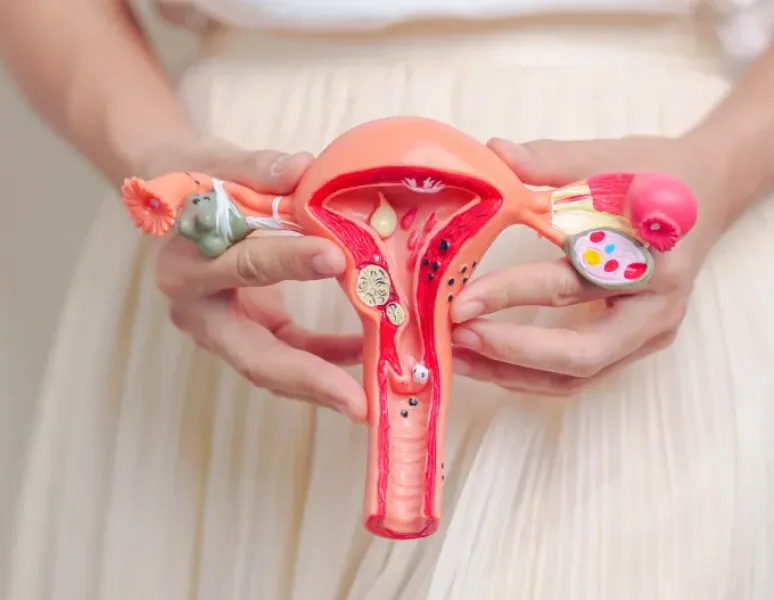
Quick anatomy refresh: the vulva is the name for the outer female genitalia. It includes all tissues just outside your vaginal canal. It runs from the fat pad at your pubic bone to your perineum, the area between the openings of the vagina and anus.
The clitoris, the inner and outer labia (“lips”), and opening of the vagina are all part of your vulva. If you have vulvodynia, you may feel symptoms in some or all of these tissues.
Vulvodynia is not due to an active infection, such as a sexually transmitted infection (STI), nor to a vulvar skin condition. However, it can coexist with any of these. This crossover can make accurately diagnosing vulvodynia difficult and frustrating.
Add to this the additional complexity that comes from the different subtypes of vulvodynia. Many people consistently experience pain in the same area of the vulva, but others have symptoms that move around a bit more. The exact terms vary a bit depending on the source, but here’s a simplified breakdown:
- Localized vulvodynia: pain consistently affects the same area of the vulva. For many people, direct pressure to this area of the vulva triggers the pain.
- Vestibulodynia: pain affects the tissues around the opening of the vagina (the vestibule). This is subtype of localized vulvodynia.
- Generalized vulvodynia: the pain is less consistent or predictable. Different areas of the vulva may hurt at different times.
Note that vulvodynia is also different from other pain conditions that can cause similar symptoms. For example, some people with endometriosis experience vaginal and vulvar pain due to their condition. Because this vulvar pain has an identifiable underlying cause, it’s not technically vulvodynia.
What causes vulvodynia?
This is the million-dollar question: we still don’t have a clear answer to “what causes vulvodynia?”. In part, this may be because medicine has been unclear on the definition of vulvodynia.
Researchers now believe that vulvodynia is not a single, uniform condition. Instead, it’s likely a combination of symptoms from several, overlapping disease processes. Here are some possible contributors:
- Injury, restriction, or irritation of the nerves of the vulva. Irritated nerves may cause sensations of itching, burning, tingling, and/or shooting pain.
- Some people with vulvodynia seem to have extra nerve fibers in and around the vulva. Increased nerve density can increase sensitivity to potential pain triggers.
- The presence of myofascial tender points. Providers sometimes called these sensitive bands of tissue “trigger points” because they “trigger” pain when subjected to stretch or pressure.
- Pelvic floor muscle weakness and resistance to stretch. Compared to those without pain, people with vulvar pain tend to have high rates of both types of muscle dysfunction.
- Increased inflammation in the vulvar tissues
- Genetic predisposition to chronic pain, vestibular inflammation, or both
Are vulvodynia and vestibulodynia the same thing?
Technically, no, but it kind of depends who you ask. Technically, vestibulodynia refers to pain right around the vaginal opening. In this definition, symptoms in other parts of the vulva such as labia pain or perineal pain, wouldn’t qualify.
The terminology surrounding pelvic pain conditions can quickly get confusing. Case in point:
In the most recent guide to diagnosing pain conditions, vulvodynia and vestibulodynia no longer have their own entries. They are combined with several other pelvic pain conditions under the umbrella of “genito-pelvic pain/pain disorder”, or GPPPD.
However, many clinicians and researchers worry that this name change has caused more confusion, not less. Some worry that it’s even preventing correct diagnosis and treatment of vulvar pain conditions.
For the average person, these distinctions probably aren’t that important. If you’re living with vaginal or vulvar pain of any kind, you just want to feel better, and fast. Good news: this is where pelvic floor physical therapy can help.
Who gets vulvodynia? When does it occur?
Vulvodynia can occur in people of all ages and ethnicities: if you have a vulva, you can experience vulvar pain…though that doesn’t mean you definitely will.
Depending on the location and the research study, as many as 15% of adults with vulvas may experience vulvodynia in their lifetimes. It can begin at any age. Fortunately, this means it can get better at any age, too!
Potential associated factors include inflammation, the use of combined hormonal contraceptives, and even genetics. Compared to people of other ethnicities, for instance, those of Hispanic origin are more likely to develop vulvar pain. People with vulvodynia may also have other pain syndromes such as fibromyalgia or bladder pain syndrome.
What does vulvodynia feel like?
Each person’s experience of vulvodynia is unique. Some people report hypersensitivity, tenderness, or pressure at the vulva. Others report feeling sensations of their vagina burning or labia burning.
This burning quality in particular may make you wonder, “Can vulvodynia feel like a UTI?” In short: yes, it can…but please don’t assume! Before beginning vulvodynia treatment, it’s important to rule out any infections.
Some people find that their symptoms are only present when they engage in sex or use a tampon. These activities significantly challenge the vulvar tissue, but sometimes even “gentle” inputs can cause pain. In some cases, even the pressure of sitting on a hard surface or wearing tight clothing can be enough to trigger vulvodynia symptoms.
Can pelvic floor physical therapy help with vulvodynia?
Absolutely. According to the Fourth International Consultation on Sexual Medicine, pelvic floor therapy for vulvodynia is one of the best treatment options available. Let’s hear it for pelvic floor physical therapy!
Keep in mind that vulvodynia is a complex condition that often requires multidisciplinary care. Often, pelvic floor physical therapists and gynecologists work together closely to help patients with this condition. Many people with vulvodynia also benefit from mental health services such as cognitive-behavioral therapy (CBT) and couples’ counseling.
At Origin, we encourage communication between providers to optimize your outcomes. As a part of your healthcare team, our pelvic floor physical therapists are trained to support you as you navigate care for vulvodynia symptoms.
Pelvic floor therapy for vulvodynia treatment: how does it work?
Physical therapy for vulvodynia is pretty similar to physical therapy for any other pelvic pain condition. Your first visit often starts with a lot of discussion: sharing your medical and symptom history, and the things that trigger and relieve pain.
Your physical therapist may suggest a full-body screen, assessing everything from how you walk to how mobile your spine is. This helps them determine if other parts of your body, such as your back or hips, are referring pain to your vulva.
Many people with vulvodynia also benefit from a local examination of vulva itself. Your therapist can help you identify your vulvar anatomy with the help of a mirror. This will allow you to perform regular self-examinations and monitor for any changes that occur.
Your clinician will assess for nerve-related sensitivity that may contribute to your symptoms. Together, you’ll develop a plan to help desensitize the area. Your physical therapist can teach you how to perform many desensitizing techniques yourself. For Origin patients receiving virtual care, this is often a key piece of your treatment plan: it helps you take recovery into your own hands (literally!)
In some cases, an internal pelvic floor examination can help your clinician assess for involvement of the pelvic floor muscles in your symptoms. As with all components of your care at Origin, an internal exam is never required: you’re always in charge.
If your physical therapist identifies resistance to stretch in your pelvic floor muscles, they may recommend vaginal trainers. Formerly known as dilators, these tools help increase your pelvic floor’s capacity for stretch. This can be particularly helpful for people who want to have penetrative sex or struggle with pain during gynecological speculum exams.
Whatever symptoms you’re experiencing, your Origin clinician is here to help you decrease vulvar pain and achieve your goals. Ready to get a handle on your vulvodynia symptoms? Schedule your first visit today: we can’t wait to help you.
Adedipe, Tolu O., and Uzo Chukwujama. "Vulvar Endometriosis Mimicking as Primary Vulvodynia in a Young Nulliparous Woman: Algorithm of Care Following a Rapid Literature Review." Journal of Clinical Gynecology and Obstetrics, vol. 10, no. 2, June 2021, pp. 35-39, doi:10.14740/jcgo.v10i2.735.
Barnabei, Vanessa M. "Vulvodynia." Clinical Obstetrics & Gynecology, vol. 63, no. 4, Oct. 2020, pp. 752-69, doi:10.1097/GRF.0000000000000576.
Bergeron, Sophie, et al. "Cognitive-Behavioral Couple Therapy versus Lidocaine for Provoked Vestibulodynia: A Randomized Clinical Trial." Journal of Consulting and Clinical Psychology, vol. 89, no. 4, Apr. 2021, pp. 316-26, doi:10.1037/ccp0000631.
Bergeron, Sophie, et al. "Vulvodynia." Nature Reviews Disease Primers, vol. 6, no. 1, 30 Apr. 2020, article 36, doi:10.1038/s41572-020-0164-2.
Guidozzi, F., and D. Guidozzi. "Vulvodynia – An Evolving Disease." Climacteric, vol. 25, no. 2, 2022, pp. 141-46, doi:10.1080/13697137.2021.1956454.
Reed, Barbara D., et al. "Remission, Relapse, and Persistence of Vulvodynia: A Longitudinal Population-Based Study." Journal of Women's Health, vol. 25, no. 3, Mar. 2016, pp. 276-83, doi:10.1089/jwh.2015.5397.
Vieira-Baptista, Pedro, and Joana Lima-Silva. "Is the DSM-V Leading to the Nondiagnosis of Vulvodynia?" Journal of Lower Genital Tract Disease, vol. 20, no. 4, Oct. 2016, pp. 354-55, doi:10.1097/LGT.0000000000000250.
"What Causes Vulvodynia?" National Vulvodynia Association, 10 Nov. 2016, www.nva.org/what-is-vulvodynia/what-causes-vulvodynia/.
"What Is Vulvodynia?" National Vulvodynia Association, 22 July 2021, www.nva.org/what-is-vulvodynia/.
Zheng, Amy, et al. "Immune Dysregulation, Inflammation in Characterizing Women with Vulvodynia, Depression, and Both." Journal of Women's Health, vol. 33, no. 3, 2024, pp. 364-70, doi:10.1089/jwh.2023.0422.