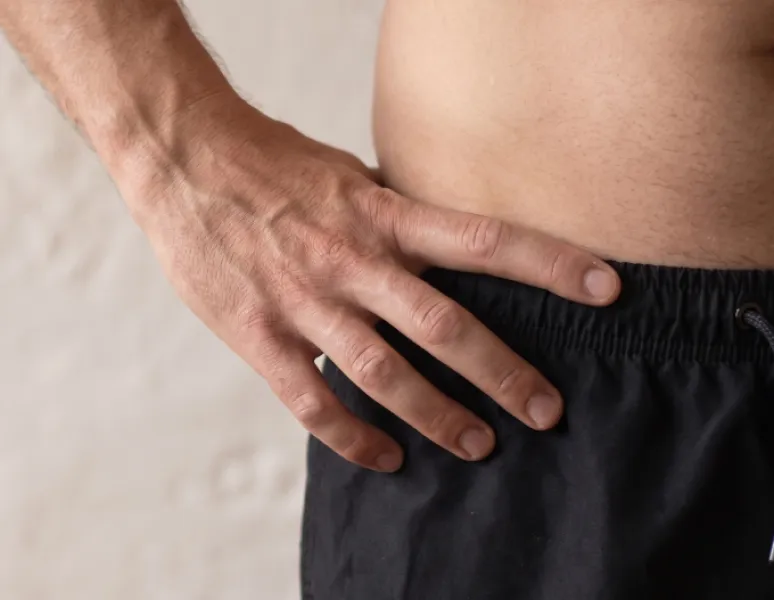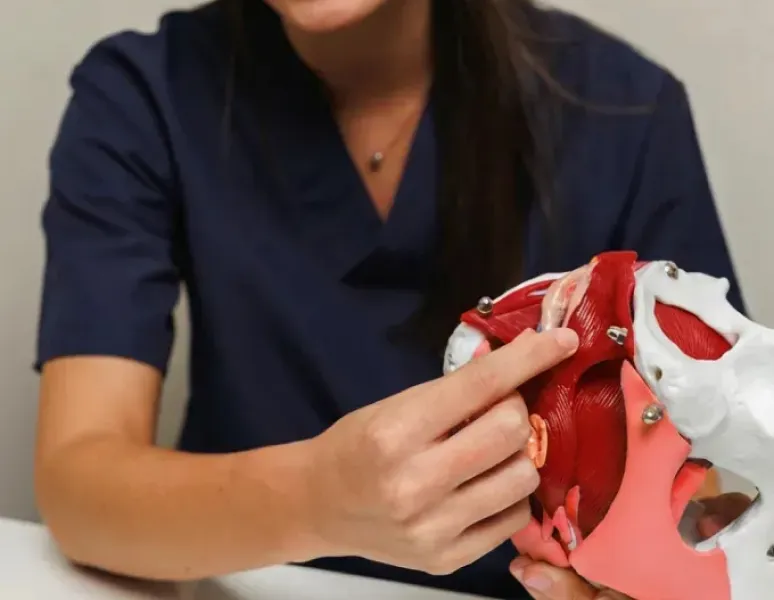
Myofascia is the connective tissue surrounding and weaving through your muscles. When it becomes restricted from surgery, injury, or repetitive strain, it can cause pain, tightness, and other symptoms throughout the body, including the pelvic floor. Myofascial release uses hands-on or tool-assisted techniques to reduce tension and relieve pain. Research supports its use for chronic pelvic pain, vulvar and vaginal pain, painful periods, interstitial cystitis, overactive bladder, and more.
If you’ve ever gotten curious about your pelvic floor and how it works, chances are high you’ve consumed some content about your pelvic floor muscles. You may have even learned some exercises to engage or stretch those muscles.
The other structures of the pelvic floor get far less attention, even though they’re just as important. One such overlooked component is the pelvic fascia. This connective tissue cooperates with your muscles, playing a major role in how your pelvic floor feels and functions.
Thankfully, pelvic floor physical therapists haven’t forgotten the importance of fascia. Many treatments in pelvic floor rehab focus on or include fascia. Myofascial release is a common intervention in pelvic floor physical therapy. It addresses tightness and dysfunction in the muscles and fascia throughout your body.
Let’s take a deeper look at myofascial release: what it is, what it can treat, and how you can use it in pelvic floor physical therapy and beyond.
What is fascia, and how is it related to the pelvic floor?
Fascia is a type of connective tissue that wraps around your muscles, nerves, organs, and even some bones. It’s a continuous, three-dimensional tissue matrix made of specialized proteins (collagen and elastin) and a gel-like material called ground substance. Fascia takes on different forms depending on the tissue it surrounds.
The myofascia is a special subtype of fascia. The prefix "myo-" means “muscle”: myofascia surrounds and weaves throughout all skeletal muscles. (Yep, this includes the pelvic floor muscles!) For the rest of this article, we’ll focus on this subtype of fascia, since it’s the target of myofascial therapy.
How can fascia contribute to pain, tightness, and other problems?
Like most other tissues in the human body, fascia can develop restrictions and dysfunctional patterns. It can get stiffer, denser, or develop adhesions within its structure. These changes can lead to pain, decreased mobility, and impaired function throughout the body, including the pelvic floor.
Some restrictions arise from an obvious event, such as injury or surgery. Any surgical incision cuts through fascia: there’s even a layer of fascia right underneath your skin. The tissue that forms as you heal becomes part of your scar, and this restricts tissue movement and glide.
Other restrictions build up over time. Repetitive movement patterns, habitual postures, or activities that favor one side of your body can gradually change the stress placed on your fascia. Pregnancy is a great example of gradual fascial change. As the pregnant belly grows, this changes the stress on the fascia in the abdomen, lower back, pelvic floor, and elsewhere throughout the body.
Every body responds differently to fascial changes. However, significant, chronic tissue changes often lead to symptoms. Sometimes those symptoms include pain. In other cases, they’re less obvious, such as increased urinary frequency. More on that to come.
What is myofascial release?
Myofascial release is a broad term for hands-on or tool-assisted techniques that apply force to manipulate the myofascia (literally, muscle fascia release). That force can come from a therapist's hands, rigid tools, or mechanical devices such as percussion massage guns.
Approaches to myofascial release techniques vary widely from provider to provider. However they’re applied, these techniques generally share the same goals: reducing tension in the fascia, breaking down adhesions, and reducing pain.
In manual myofascial therapy, a therapist uses their hands or body to apply sustained (think 90 seconds or more) pressure, traction, or stretch to your tissues. As the patient, you may or may not feel a release in the moment, but afterwards, you’ll often notice a change.
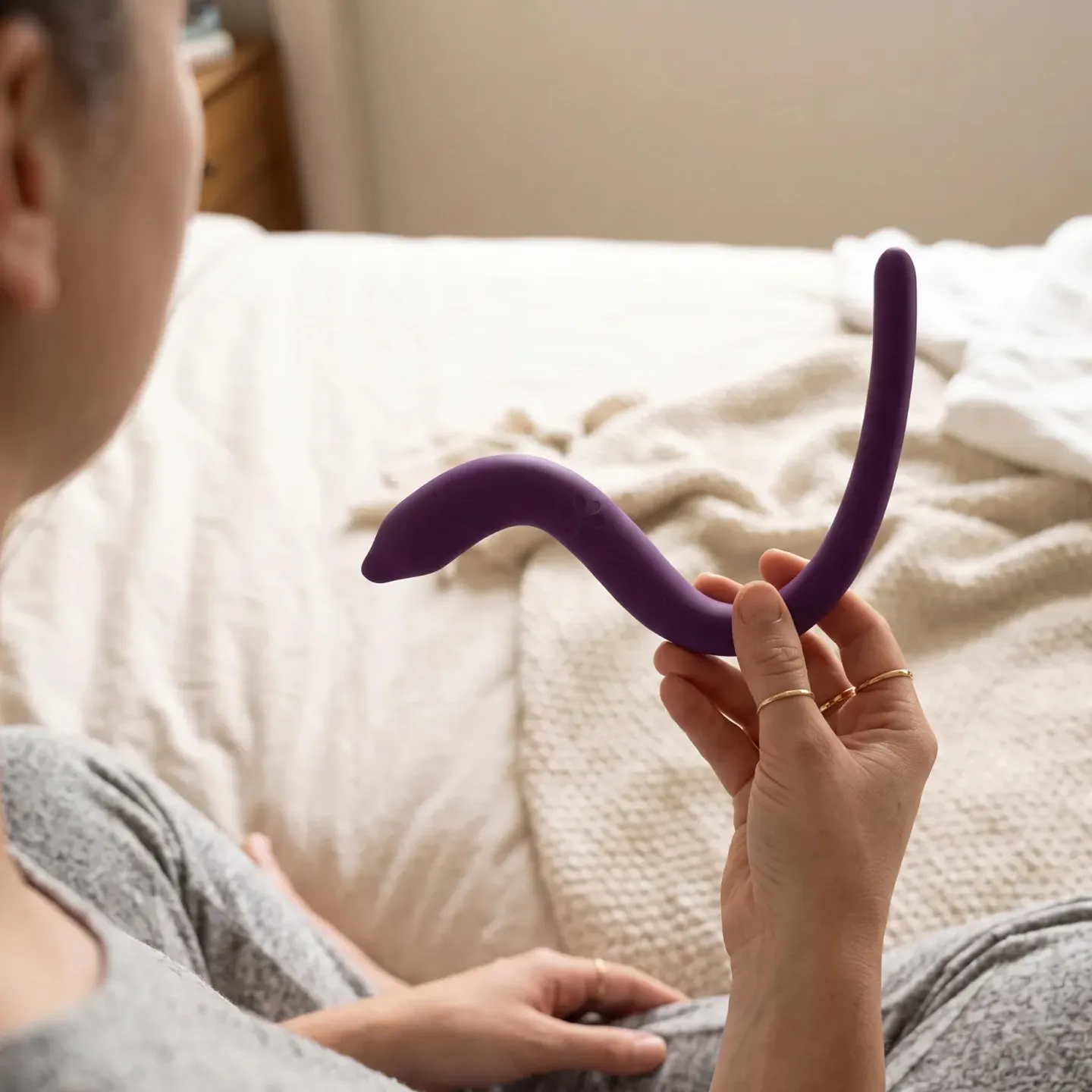
Instrument-assisted soft tissue mobilization (IASTM) uses rigid, usually metal, tools to compress, glide, and “scrape” over restricted tissue. These tools allow clinicians to apply more force with less strain on their hands. IASTM tools are not appropriate for internal pelvic floor release, though. Other tools, such as pelvic wands, exist for that purpose.
A few techniques of the most popular myofascial release techniques include:
- Barnes Myofascial Release
- This method uses sustained, gentle pressure to trigger tissue softening. This method views fascia as one continuous web throughout the body, so practitioners may release one area to affect others.
- Rolfing® Structural Integration
- Rolfing® practitioners apply deep, firm pressure directly to adhesions to “break” them up.
- Active Release Technique (ART)
- ART providers apply manual pressure to a muscle while you move that limb (or they move it for you). This allows the provider to stretch that tissue under tension.
- Trigger point release
- This approach targets hyperirritable nodules, or “trigger points”, in muscles. The provider compresses the point to briefly reduce its blood flow. This encourages the trigger point to soften.
How does myofascial release work?
The science behind myofascial release is still somewhat unclear, but researchers have proposed three likely mechanisms:
- Mechanical input changes the stiffness and shape of muscle fibers.
- Biochemical changes reduce local inflammation that can contribute to pain.
- Input to the nervous system dials down the stress response and supports the calming “rest-and-digest” effect to regulate pain.
What symptoms and conditions can pelvic floor myofascial release help with?
Myofascial release to the pelvic floor muscles can help with a wide range of problems, from painful sex to period pain to overactive bladder. Let’s dig into some specifics and see what medical research can tell us.
Myofascial release for chronic pelvic pain
Pelvic health physical therapists often use fascial maneuvers to release trauma that muscles and tissues may hold. They also use these techniques to treat pelvic floor trigger points that contribute to pelvic pain. Most will tell you that it’s a very important part of their treatment toolkit.
Small research studies back up these experiences. A 2024 research study reported on 18 women with chronic pelvic pain who received 3 months of myofascial release. By the end of treatment, their anxiety and depression symptoms had decreased and their sexual function and quality of life ratings had improved. Best of all, these improvements stuck around for at least 2 years after treatment.
Other researchers have combined myofascial release with other treatments such as Botox injections to the pelvic floor muscles. This combined approach reduced pain levels and decreased pelvic trigger points in their participants with pelvic pain.
In contrast, larger studies of myofascial release for pelvic pain often appear underwhelming. Some show positive trends towards reduced pain and improved function after myofascial release. However, the trends often aren’t significant, and myofascial therapy doesn’t perform better than other treatment types.
Don’t lose hope, though: remember that myofascial release techniques vary a lot between clinicians and studies. This variation may dilute the research data, making myofascial release look less effective in larger trials.
More precise studies of people with specific types of chronic pelvic pain really show the benefits of myofascial therapy for trauma and pain. For example, vulvar and vaginal pain conditions are subsets of the chronic pelvic pain umbrella. They include vulvodynia, vestibulodynia, and dyspareunia, among others.
Keep in mind that myofascial release offers short-term results: it doesn’t permanently change tissues. For this reason, myofascial release is typically just one piece of a larger treatment plan in physical therapy. To achieve long-term symptom improvement, other exercises, stretches, and education form essential parts of any physical therapy plan of care.
Vulvar and vaginal pain
In vestibulodynia, stretching of and pressure against the vaginal opening trigger pain. A 2020 study compared topical lidocaine, a common prescription for vestibulodynia, against multimodal physical therapy. This physical therapy approach included myofascial release, education, pelvic floor exercises, and dilation.
Compared to those receiving only lidocaine, the physical therapy group had greater improvement in pain with intercourse, sexual function, and satisfaction. Seventy-nine percent of PT recipients reported being much or very much improved, compared to just 39% of the lidocaine group. Even better news: these improvements lasted at least 6 months after treatment.
Dyspareunia (pain with penetrative sex)
Myofascial restrictions can make vaginal tissues less receptive to stretch, and this can contribute to pain during or after penetrative sex. Fortunately, manual techniques such as pelvic floor myofascial release can help decrease or resolve this pain.
Even painful sex after menopause, which many people blame entirely on hormonal changes and vaginal dryness, may have a myofascial component. A 2019 study of 42 peri- and postmenopausal women with dyspareunia added pelvic myofascial release to heat therapy and pelvic floor training. The researchers found that adding myofascial release techniques led to significantly greater pain reduction than heat and muscle training alone.
Myofascial therapy for painful periods
A 2025 study recruited 41 people with primary dysmenorrhea (painful periods not due to an underlying medical condition). Some participants received myofascial release techniques, some did pelvic floor muscle training, and some received TENS electrical stimulation.
The participants who got myofascial release had higher pain thresholds, fewer painful period symptoms, and less lower abdominal tension than their peers in the other groups. These are promising signs for the role of myofascial therapy to help people with painful periods.
Myofascial issues in interstitial cystitis and bladder pain syndrome
Interstitial cystitis (IC) and bladder pain syndrome (BPS) are basically two names for the same condition. It causes urinary frequency and urgency, painful peeing, and chronic pelvic pain. Pelvic floor trigger points are very common in people with IC/BPS.
A landmark 2012 study randomized 81 women to receive myofascial therapy or full-body massage. The myofascial group had a significantly better response rate: 59% of that group improved, compared to just 26% of the massage group.
Vaginal trigger points and frequent peeing
Pelvic trigger points and myofascial dysfunction don’t just affect the vagina: they can mess with your bladder health, too. Consider overactive bladder (OAB) for example.The physiology behind OAB still isn’t totally clear, but some researchers think that overactive pelvic floor muscles may contribute.
A 2020 study of 77 women with OAB found that 56.5% of participants had myofascial tenderness and trigger points in their pelvic floors. All the participants received some form of pelvic floor physical therapy, but this included myofascial release techniques in just 59 cases. Among those who received myofascial release, about 85% reported improvement in their OAB symptoms. In the 18 women who didn’t receive pelvic floor release, only about 28% improved.
Another study of 551 AFAB (assigned female at birth) people identified a unique urinary frequency condition in one-third of participants. This condition is different from overactive bladder: it’s marked by a near-constant feeling of needing to pee, regardless of how full the bladder is.
In this group of people, 97% had pelvic floor muscles that were resistant to stretch and 92% struggled to relax their pelvic floor muscles. Both are hallmark signs of myofascial dysfunction. When these patients received pelvic floor physical therapy to treat these dysfunctions, their frequent peeing symptoms completely resolved.
What does myofascial release look like in pelvic floor physical therapy?
As with all interventions in pelvic floor physical therapy, myofascial release always starts with a conversation about consent. Your therapist will explain their suggested approach and why they think it could help in your situation. You can ask questions, and you never have to agree to a treatment you don’t want.
Myofascial release for pelvic floor conditions can be entirely external: your therapist may apply hands-on techniques around the external genitalia and perineum, for example. In many cases, it may also involve internal work via the vaginal or rectal canals. Regardless of the recommended approach, you have the final say about which techniques you’re willing to try.
Remember that myofascial release is not limited to the muscles inside your pelvis. Your therapist may also work on related areas, like your abdomen, hips, and low back. Because fascia runs in a connected network throughout your whole body, even distant body parts may need attention to improve your pelvic floor symptoms.
Finally, note that myofascial release is rarely a standalone treatment. Most clinicians combine it with stretches, pelvic floor exercises, relaxation techniques, and a home program you continue between visits.
Can I do myofascial release for the pelvic floor at home?
Absolutely, and in most cases, we encourage it! Your Origin clinician can teach you how to do this yourself, with a partner, or with a pelvic wand or similar tool.
Pelvic wands help you reach the deep pelvic floor muscles that are hard to access with your hands alone. They give you the control you need to safely apply the right amount of pressure to pelvic trigger points and tender muscles. Certain sex toys can serve a similar function: ask your Origin provider which tool(s) would be best for you.
In virtual care at Origin, self-administered techniques become even more important. Your physical therapist can teach you myofascial release techniques you can do safely at home.
Pelvic pain and pelvic floor dysfunction are common conditions, but with the right care, they can improve. Myofascial therapy is one part of a bigger, personalized plan for addressing them.
If you are dealing with pelvic pain, bladder symptoms, or tension that won’t resolve on their own, a pelvic floor physical therapist can help. They’ll work with you to figure out if myofascial release belongs in your treatment plan. Schedule your first visit with an Origin clinician today!
- Ackerman, A Lenore et al. "Myofascial urinary frequency syndrome is a novel syndrome of bothersome lower urinary tract symptoms associated with myofascial pelvic floor dysfunction." Scientific reports vol. 13,1 18412. 27 Oct. 2023, doi:10.1038/s41598-023-44862-5
- Dal Farra, Fulvio et al. "Effectiveness of Myofascial Manual Therapies in Chronic Pelvic Pain Syndrome: A Systematic Review and Meta-Analysis." International urogynecology journal vol. 33,11 (2022): 2963-2976. doi:10.1007/s00192-022-05173-x
- Diaz-Mohedo, Esther et al. "Using Myofascial Therapy to Improve Psychological Outcomes, Quality of Life, and Sexual Function in Women with Chronic Pelvic Pain-A Case Series." Healthcare (Basel, Switzerland) vol. 12,3 304. 24 Jan. 2024, doi:10.3390/healthcare12030304
- Fede, Caterina et al. "A Closer Look at the Cellular and Molecular Components of the Deep/Muscular Fasciae." International journal of molecular sciences vol. 22,3 1411. 30 Jan. 2021, doi:10.3390/ijms22031411
- FitzGerald, M P et al. "Randomized multicenter clinical trial of myofascial physical therapy in women with interstitial cystitis/painful bladder syndrome and pelvic floor tenderness." The Journal of urology vol. 187,6 (2012): 2113-8. doi:10.1016/j.juro.2012.01.123
- Gao, Yuqing, and Dongxu Gao. "Myofascial Release and Fascial-Targeted Mechanical Interventions in Musculoskeletal Rehabilitation: Mechanisms, Modalities, and Integrative Physiology." Frontiers in Physiology, vol. 17, 27 Mar. 2026, doi:10.3389/fphys.2026.1801306
- Halder, Gabriela E et al. "Botox combined with myofascial release physical therapy as a treatment for myofascial pelvic pain." Investigative and clinical urology vol. 58,2 (2017): 134-139. doi:10.4111/icu.2017.58.2.134
- Klotz, Susanne G. R., et al. "Physiotherapy Management of Patients with Chronic Pelvic Pain (CPP): A Systematic Review." Physiotherapy Theory and Practice, vol. 35, no. 6, 2019, pp. 516-532. doi:10.1080/09593985.2018.1455251
- Kuo, Tricia L C et al. "Pelvic floor spasm as a cause of voiding dysfunction." Current opinion in urology vol. 25,4 (2015): 311-6. doi:10.1097/MOU.0000000000000174
- Morin, Mélanie et al. "Multimodal physical therapy versus topical lidocaine for provoked vestibulodynia: a multicenter, randomized trial." American journal of obstetrics and gynecology vol. 224,2 (2021): 189.e1-189.e12. doi:10.1016/j.ajog.2020.08.038
- Schvartzman, Renata et al. "Physical Therapy Intervention for Women With Dyspareunia: A Randomized Clinical Trial." Journal of sex & marital therapy vol. 45,5 (2019): 378-394. doi:10.1080/0092623X.2018.1549631
- Sert, Buse et al. "Effectiveness of structured myofascial release in the treatment of primary dysmenorrhea." European journal of obstetrics, gynecology, and reproductive biology vol. 311 (2025): 114025. doi:10.1016/j.ejogrb.2025.114025
- Trahan, Jennifer et al. "The Efficacy of Manual Therapy for Treatment of Dyspareunia in Females: A Systematic Review." Journal of women's health physical therapy vol. 43,1 (2019): 28-35. doi:10.1097/jwh.0000000000000117
- Wolff, Birte J et al. "Consideration of pelvic floor myofascial release for overactive bladder." Journal of bodywork and movement therapies vol. 24,2 (2020): 144-150. doi:10.1016/j.jbmt.2019.10.018