Travel throws off your routines, hydration, and stress levels, all of which can trigger constipation, urgency, and leaks. Your pelvic floor is at the center of it all.
Summer is just around the corner, and we’re hoping you’ve scheduled some well-deserved time off! Whether you’re headed on a quick trip or an international voyage, travel can seriously mess with your system (hellooo, travel constipation). Travel-related digestive and bladder issues aren’t happening in a vacuum; your pelvic floor muscles sit at the center of both! Read on as we discuss pelvic floor tips and tricks, and how to keep symptoms from interrupting your travel plans.
Why does travel trigger pelvic floor symptoms?
Travel impacts your daily routines, movement, hydration levels, sleep, eating schedules…all of which can stir up issues such as constipation, leaks, urgency, and pelvic pain. Healthy and functional pelvic floor muscles work in coordination with your bladder, bowels, and deep core muscles to keep you regular and leak-free. However, travel can throw everything out of whack, causing new issues or making existing ones worse.
- Prolonged sitting, whether in a car or an airplane, can stress your pelvic floor muscles. This increased stress can cause pelvic or lower back pain, especially if you have pre-existing pelvic floor issues.
- Both holding in your pee and going to the bathroom “just in case” during a road trip can make bladder symptoms worse.
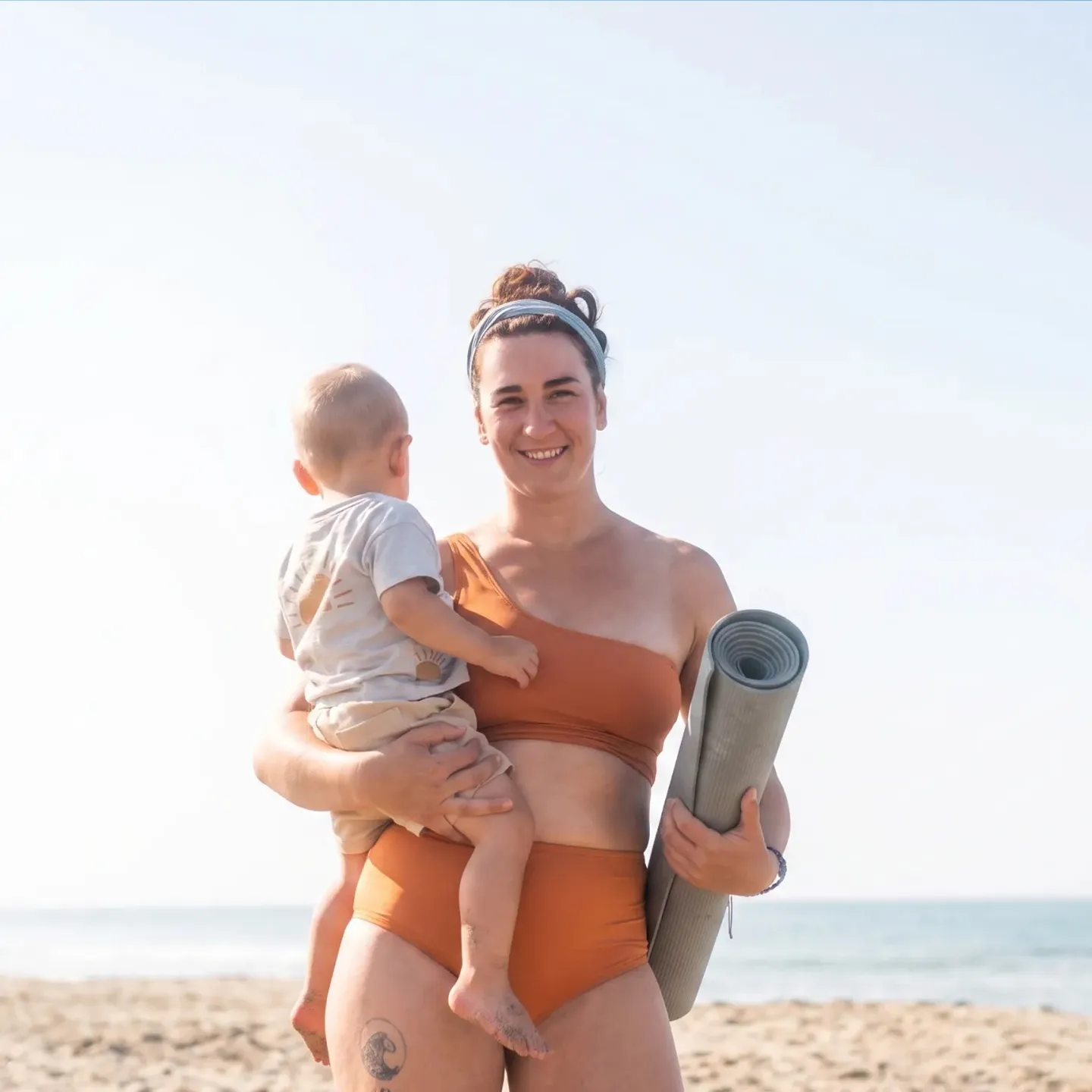
- Walking in sand can cause you to leak pee, as your pelvic floor muscles and core have to work even harder to stay balanced and coordinated on sand’s unstable surface.
- Travel-related stress can lead to pelvic floor muscle clenching and tension, and exciting new foods can leave you running for the bathroom…or not needing it at all!
Sticking to your routines (as best you can!), hydrating, using the bathroom when you feel the need (but not when you don’t!), and getting up to move while traveling can help keep your systems and pelvic floor functioning as usual.
Why do I get constipated when I travel?
Dehydration, caffeine intake, dietary choices, and lack of exercise can all contribute to travel constipation. Your gut, just like the rest of your body, can feel the effects of travel-related stress, anxiety, and jet lag due to the brain-gut axis. Not only can jet lag seriously affect your sleep schedule, but it can affect your poop schedule, too!
Taken altogether, travel can delay your normal morning poop anywhere from six hours to two days. Experiencing constipation while traveling is extremely common, and symptoms are usually the worst during the first few days of a trip.
Travel constipation and your pelvic floor
If you’re feeling a bit stopped up, it’s important to know that constipation isn’t just a digestive issue; it’s a pelvic floor issue, too. To allow an efficient poop, your pelvic floor muscles must relax and lengthen in coordination with your internal anal sphincter. Travel stress, worries about bathroom access, and prolonged sitting can cause you to clench your pelvic floor muscles, tightening everything up and making it more difficult to poop.
While it may feel tempting to force and push to poop, this strain can cause an unhelpful feedback loop that leads to more constipation: straining makes your pelvic floor muscles tense up, tight pelvic floor muscles make it harder to poop, leading to more straining, tighter muscles, and more constipation.
Instead of straining, treat your travel constipation with your pelvic floor in mind:
- Stay hydrated to keep stool from getting dried out and difficult to pass
- Practice belly breathing to help calm your digestive tract and relax your pelvic floor muscles
- Take breaks to walk or stretch while driving or flying to switch out of the sitting position
- Respond to bathroom urges when they arise: repeatedly suppressing urges can worsen constipation
Urinary symptoms: tips and tricks while traveling
Urinary incontinence (UI) is a common symptom of pelvic floor dysfunction: the stress and mixed types of UI affect over 60% of women in the US. Urge UI, or when sudden, intense urges to pee lead to leaks, affects an estimated 30% of women. Urge UI can cause serious stress while traveling; you might always keep an eye out for the nearest bathroom, “hold it” for longer than you’re able, and worry about leaks.
Whether you experience incontinence frequently or you only leak while walking in sand, supporting and strengthening your pelvic floor muscles can help you improve your symptoms…while traveling and after you’ve gotten home.
Hydration and urinary incontinence
Drinking enough water while traveling is essential, even if you’re worried about bathroom breaks and bladder leaks! If you’re dehydrated, your urine is more concentrated (think: darker or amber in color) and can irritate your bladder. This irritation can cause your bladder to send your brain the “gotta go” signal earlier than necessary, training your body to need the bathroom more urgently and more often.
Instead of avoiding water to reduce bathroom trips, drink little sips of water consistently throughout the day. This will help prevent bladder irritation…and help with any constipation or stomach issues while traveling!
Wondering how best to keep track of your hydration while on the go? With Origin’s On-Track membership, you can quickly note your water intake, along with any symptoms you experience, right in your patient portal or app.
Is peeing “just in case” bad for your bladder?
While it’s tempting to use the bathroom anytime you spot one, peeing “just in case” can make overactive bladder symptoms worse. This habit trains your body that you “need” to use the bathroom when there’s only a tiny amount of urine in your bladder, increasing your urinary frequency and urgency.
Similar to straining when constipated, forcing a few drops of pee out can put pressure on your pelvic floor muscles and make it harder to hold in pee later. Instead, try checking in with your body when you first think about heading to the bathroom: Do I actually feel an urge to go? If you don’t, then avoid going pee until a true urge arises.
If you’re able, sticking to a bathroom schedule, such as once every 2-3 hours, can help reduce the “just in case” urge. If incontinence is still a problem, pelvic floor physical therapy can help strengthen and coordinate the muscles that keep you leak-free.
How to hold in pee when there is no bathroom
You know that lifting weights is a good way to train your muscles, but did you know that there are ways to train your bladder, too? Bladder training, using what are called urge drills, can help you hold your pee in for longer…which is especially useful when traveling.
A pelvic floor physical therapist can guide you through bladder training, which involves:
- Peeing at regular intervals (and not going “just in case”)
- Working to slowly extend the time between your bathroom visits
- Breathing deeply and distracting yourself when you feel the urge
- Contracting your pelvic floor muscles in a few “quick flicks” to interrupt false urges
The goal of these drills isn’t to “just hold it.” Instead, they help you reestablish the communication between your bladder and your brain, allowing you to stay calm and handle your urgency signals with less stress and anxiety.
How to protect your pelvic floor while traveling
Traveling can put your pelvic floor muscles to the test. Hours of sitting in an uncomfortable seat, bracing to keep from rubbing elbows with your neighbor, and clenching until you reach the next rest stop can all increase pelvic floor tension and make symptoms worse.
Habits such as drinking enough water, taking frequent breaks to move, wearing comfortable clothes, and practicing belly breathing can all help you support and protect your pelvic floor as you travel.
For additional information and support, our expert pelvic floor physical therapists can provide you with customized exercises and guidance, helping you move confidently and keep symptoms from interrupting your travels. Schedule a visit today.
- Diaz, Sorangel, et al. "Constipation." PubMed, StatPearls Publishing, 12 Nov. 2023, www.ncbi.nlm.nih.gov/books/NBK513291
- Hansen, Sebastian Borgund. "Traveler’s Constipation: A Prospective Cohort Study." Journal of Clinical Medical Research, 10 Sept. 2024, pp. 1–8, https://doi.org/10.46889/jcmr.2024.5302. Accessed 29 Sept, 2024
- Duboc, Henri, et al. "Disruption of Circadian Rhythms and Gut Motility." Journal of Clinical Gastroenterology, vol. 54, no. 5, 2020, pp. 405–414, https://doi.org/10.1097/mcg.0000000000001333
- Datar, Manasi, et al. "Healthcare Resource Use and Cost Burden of Urinary Incontinence to United States Payers." Neurourology and Urodynamics, vol. 41, no. 7, 16 June 2022, pp. 1553–1562, www.ncbi.nlm.nih.gov/pmc/articles/PMC9542745/, https://doi.org/10.1002/nau.24989
- Nandy, Shami, and Sudha Ranganathan. "Urge Incontinence." PubMed, StatPearls Publishing, 19 Sept. 2022, www.ncbi.nlm.nih.gov/books/NBK563172
- Information, National Center for Biotechnology, et al. Bladder Training. Www.ncbi.nlm.nih.gov, Institute for Quality and Efficiency in Health Care (IQWiG), 30 Dec. 2016, www.ncbi.nlm.nih.gov/books/NBK279430