A prostatectomy can change your bladder control and sexual function, but you don't have to wait until after surgery to start preparing. Pelvic floor physical therapy prehab and rehab can help you feel more prepared and supported as you recover.
When you're preparing for, or recovering from, a prostatectomy, you're likely wondering what your daily life will actually be like after surgery. Will you have bladder leaks? Will you be able to get an erection? And will these changes last for the rest of your life?
While urinary incontinence and erectile dysfunction (ED) are quite common after prostatectomy, they don’t necessarily have to be a permanent side effect. There are treatments that can support your recovery, and pelvic physical therapy is one of them.
Pelvic physical therapy focuses on the musculoskeletal recovery of the urinary and reproductive systems, with a major emphasis on restoring and optimizing your quality of life. And you don't have to wait until after surgery to get started.
You can begin preparing for recovery before your prostatectomy with pelvic physical therapy prehabilitation, or “prehab,” and continue with pelvic physical therapy rehabilitation after surgery. Together with your medical team, prehab and rehab can help you feel more prepared, supported, and confident as you work toward your pelvic health goals.
What actually changes after a prostatectomy?
A prostatectomy can change the anatomy of your bladder and reproductive system. And these changes can lead to some common and predictable bladder and sexual side effects.utm
After a prostatectomy, your bladder and sexual function may be affected in several different ways depending on the details of your surgery and your health history before surgery. This is because your prostate is closely connected to several of the structures that are important in urinary, sexual, and pelvic function. And these structures can be affected by surgery, too.
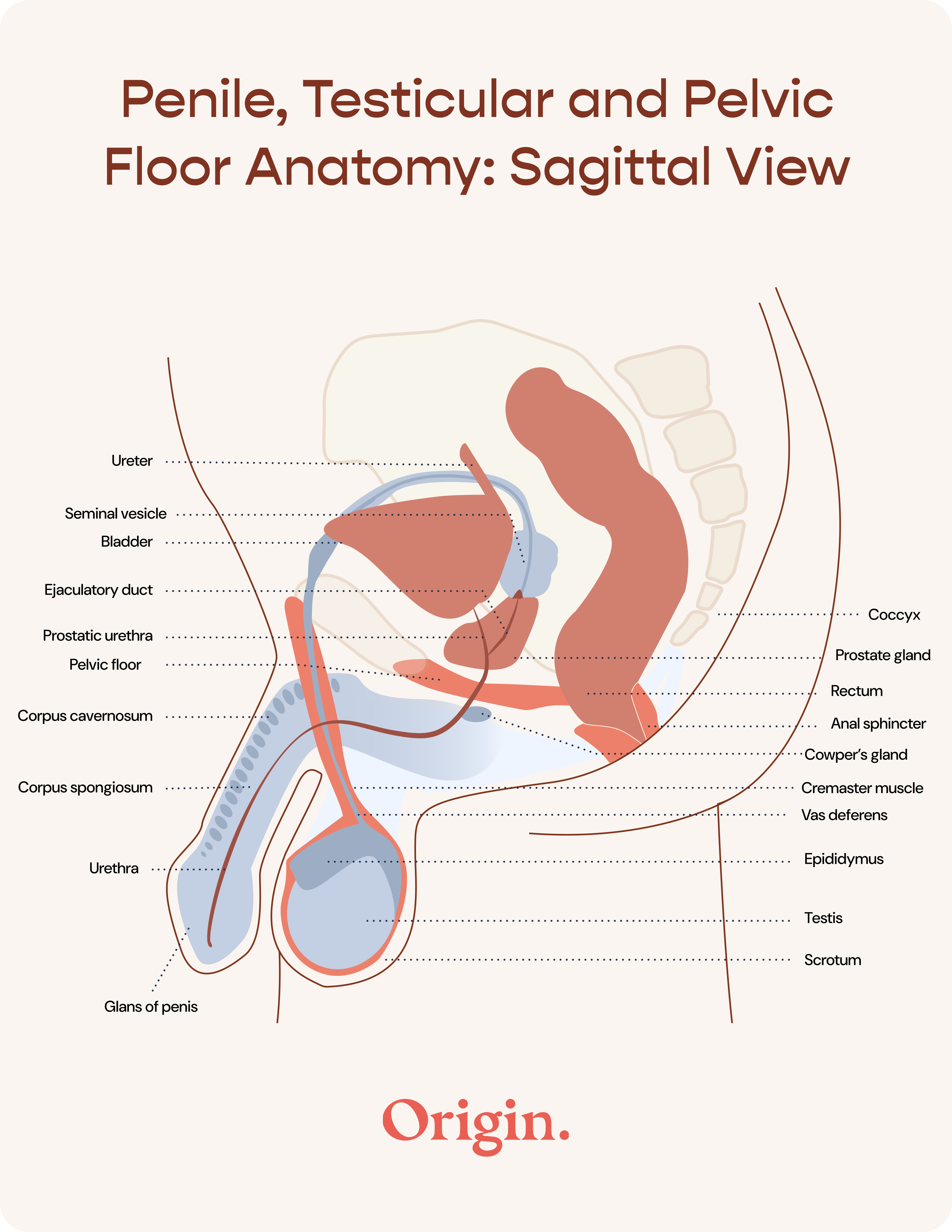
It may help to do a quick review of the anatomy, to get a better understanding of what actually changes after a prostatectomy.
The prostate is a walnut-sized gland that sits just below your bladder, between your pubic bone and rectum. It surrounds the upper part of your urethra (the tube that carries urine out of your body) and both ejaculatory ducts (these are how sperm travel into the urethra). It also sits on top of the external urinary sphincter and pelvic floor muscles. (Yes, men have pelvic floor muscles, too!) These muscles and the urinary sphincter play an important role in helping you control your bladder and prevent urine leakage.
The prostate is also surrounded by nerves and blood vessels that are important for sexual function. Because of this close relationship, removing the prostate can affect muscle function, nerve supply, and blood flow.
Ultimately, these changes can lead to two major areas of concern after a prostatectomy: bladder function and sexual function.
What happens to bladder function after prostatectomy?
Urinary incontinence (like leaking or urgency) is usually one of the most common concerns after a prostatectomy. In fact, as many as 87% of people will have some amount of bladder leakage after surgery.
When your prostate is removed, the part of your urethra that runs through your prostate is removed along with it. And so is part of the internal urethral sphincter, an important ring of muscle that helps keep urine in your bladder until it’s time to pee. Surgery can also affect your pelvic floor muscles.
As your body adjusts to these changes after your prostate is removed, your bladder may leak. Some people leak when they cough, sneeze, exercise, or lift something. Others may experience a sudden, strong urge to urinate or other changes in bladder function.
The good news is that bladder control often improves as you heal. How much you’ll leak, and how long it’ll last, will be different from person to person. And your recovery can depend on things like your bladder function before surgery, how your urethra heals, the details of your surgery, and your overall health.
In other words, your bladder control is something that returns gradually, and it looks different for everyone. That’s why your recovery doesn't have to begin when the surgery is over.
How can bladder prehab help?
Bladder prehab can help you prepare for the changes in bladder function that can happen after surgery by learning skills to support your bladder control.
Before your prostatectomy, a pelvic physical therapist can teach you about your pelvic floor muscles and how they contribute to bladder control. You can learn how to correctly contract and relax these muscles, coordinate them with your breathing and movement, and recognize what a normal pelvic floor contraction feels like.
This gives you an opportunity to learn these skills while your muscles are pain-free and your sensation is normal, rather than trying to figure this out for the first time after surgery.
Prehab can also help you understand what will be happening in your individual surgery, what your recovery may look like, the postoperative complications you may run into after surgery, and what to expect once your catheter is removed.
Then, after surgery, pelvic physical therapy can help you apply what you’ve learned as your body heals and gradually work toward better bladder control.
What happens to sexual function after prostatectomy?
Erectile dysfunction (ED) may affect up to 85% of people after prostatectomy. This can happen because surgery can affect the nerves and blood vessels that are involved in erections. Getting an erection requires blood to flow into your penis and then stay there to create and keep rigidity. If the nerves or blood vessels involved in this process are affected during surgery, it can become difficult to get or keep an erection.
And erectile function isn’t the only thing that can change after prostatectomy. You may also experience:
- Changes in the length, shape, or sensations of your penis
- A change in how orgasm feels
- Pain during orgasm (dysorgasmia)
- Urinary leakage during sex, orgasm, or foreplay
- Dry orgasms because your prostate and seminal vesicles are removed
These changes can have a big impact on your quality of life, but there are a lot of different treatment options that can help, including pelvic physical therapy.
How can pelvic physical therapy support sexual recovery?
Pelvic physical therapy can support your sexual recovery by teaching you to properly contract, relax, and coordinate your pelvic floor muscles, while also teaching you about what to expect, cardiovascular condition, lifestyle changes, and other strategies to support your sexual health.
The recovery of your sexual health should be an important part of your rehab after prostatectomy, not just an afterthought. And pelvic physical therapy can be one part of a larger plan for your return to sex after prostatectomy. Your medical team may recommend medications, devices, or other treatments for sexual dysfunction. And pelvic physical therapy can address the muscles and physical factors involved in sexual function.
Your pelvic floor muscles can play a big role in blood flow during sex, and can impact how rigid your penis is during sexual function. A pelvic physical therapist can help you learn how to properly contract, relax, and coordinate these muscles. A pelvic physical therapist can also provide education, tips regarding exercise, lifestyle changes, and other strategies to support overall sexual health and wellness.
And importantly, you don’t have to wait until after surgery to start thinking about sexual recovery. Prehab gives you an opportunity to learn about your pelvic and sexual health, understand what may change, and establish a plan for recovery before your prostatectomy even happens.
When should I start physical therapy for prostatectomy?
If you’re getting ready for a prostatectomy, you don’t have to wait until after surgery to see a pelvic physical therapist. Starting physical therapy before surgery gives you time to learn about your pelvic floor muscles, practice using them correctly, and understand what to expect during recovery. All you need is 1 to 2 sessions in the days or weeks before your surgery to help you feel prepared.
And then after surgery (and once your catheter is removed), your pelvic physical therapist can help you build on those skills as your body heals in the weeks and months after surgery.
Rehabilitation for prostatectomy with Origin
If you have prostate cancer, a prostatectomy can be life saving. But the surgery can sometimes leave you with bladder and sexual dysfunction that can affect your day-to-day life as you heal.
While symptoms like bladder leakage and erectile dysfunction often improve with time, there are plenty of treatment options available to support your body as you heal.
If you have symptoms of sexual and bladder dysfunction after a prostatectomy, the pelvic physical therapists at Origin Physical Therapy have the education and therapeutic support that you need to start feeling better today. And they can even connect you with additional specialists and support to make sure that your recovery is fully comprehensive.
Get scheduled today with one of our prostatectomy experts, either in person or online.
- Gacci, Mauro et al. “Latest Evidence on Post-Prostatectomy Urinary Incontinence.” Journal of clinical medicine vol. 12,3 1190. 2 Feb. 2023, doi:10.3390/jcm12031190
- Li, Yao et al. “Sexual health distress and needs after radical prostatectomy: a scoping review.” Sexual Medicine Reviews, vol. 14, Issue 1, January 2026, qeaf077. https://doi.org/10.1093/sxmrev/qeaf077
- Li, Yilei et al. “Prehabilitation models in patients undergoing radical prostatectomy: A scoping review.” PloS one vol. 21,8 e0356745. 27 Aug. 2026, doi:10.1371/journal.pone.0356745.
- McCloskey, Karen D et al. “What do we really know about the external urethral sphincter?.” Continence (Amsterdam, Netherlands) vol. 10 (2024): None. doi:10.1016/j.cont.2024.101223.