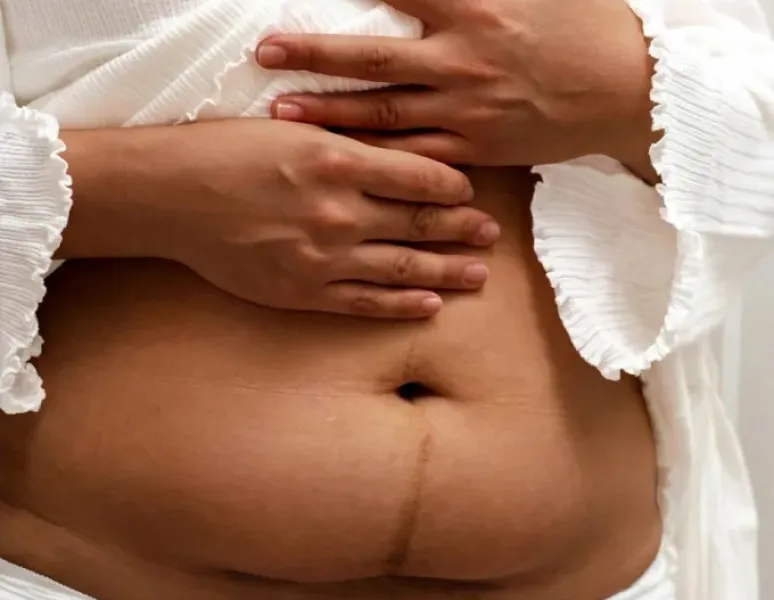
Abdominal bloating and pain is one of the most common and frustrating symptoms of irritable bowel syndrome (IBS). In fact, it can affect up to 90% of people. And if you’ve experienced it yourself, you know just how relentless it can be.
But bloating is actually quite tricky to treat. Some people feel better after adjusting their diet or finding medications that help them have more regular bowel movements. Others have bloating that sticks around no matter what they try. And IBS doesn’t just affect your gut. Pain, bloating, and other IBS symptoms can impact your sleep, increase stress and anxiety, and make it hard to show up, whether that’s for work, social plans, or just feeling like yourself.
So what happens when you’ve tried all the diet changes, probiotics, and medications that your healthcare team (or TikTok) recommended and you’re still struggling with bloating? You may want to consider pelvic floor dysfunction. Here’s why.
What is irritable bowel syndrome? Understanding IBS as a gut-brain disorder (DGBI)
Irritable bowel syndrome (IBS) used to be called a “functional gastrointestinal disorder,” meaning that you have real symptoms, but everything looked “normal” on tests. But as research evolved, experts started to recognize IBS as a disorder of gut-brain interaction (DGBI).
And this is a really important shift because instead of just being considered a digestive issue, IBS is now understood as a problem in how your brain and gut communicate with each other.
Your gut has its own nervous system called the enteric nervous system. It’s sometimes called your “second brain.” It’s constantly sending signals back and forth with your brain via the “gut-brain axis” to help regulate digestion, but also things like mood, sleep, hunger, and energy.
And when this system is out of balance, it can cause:
- Bloating and gas
- Abdominal pain and pressure
- Constipation or diarrhea
- Increased sensitivity to normal digestive processes
This helps explain why IBS is so complex and why treating it often means more than just focusing on food or digestion alone.
Can pelvic floor dysfunction cause IBS symptoms like bloating?
Yes, pelvic floor muscle dysfunction can worsen IBS symptoms. Pelvic floor muscle dysfunction can also cause symptoms that look a lot like IBS.
Because IBS is a gut-brain disorder, it’s easy to focus more on digestion, nerves, and stress. But it’s also important to consider how your body physically moves and manages pressure, especially through your pelvic floor.
Your pelvic floor muscles are an important group of muscles at the bottom of your pelvis. They have many important functions, including helping to control your bowel movements, making sure stool and gas pass smoothly, and working closely with your abdominals and diaphragm to keep pressure in your abdomen balanced.
When this system isn’t working the way it should, it’s called pelvic floor muscle dysfunction (PFMD).
When these muscles aren’t working like they should it’s called pelvic floor muscle dysfunction (PFMD). Here’s how this may contribute to bloating and gas.
Pelvic floor dyssynergia and constipation
When it’s time to poop, your pelvic floor muscles should relax and lengthen. This helps your body move from holding stool in your rectum, to allowing it to leave. But if the pelvic floor doesn’t relax, or if it tightens instead, stool can get stuck. This is known as pelvic floor dyssynergia and it can lead to constipation, straining, incomplete emptying, and gas buildup.
Trapped gas and abdominal pressure
A tight pelvic floor can make it harder to pass gas. This can also lead to pelvic or abdominal pain and pressure that feels like bloating, even if digestion isn’t the issue.
Abdominal phrenic dyssynergia
Bloating isn’t always about how much gas is in your gut. It can also be about how your body responds to it.
In some people with IBS, the body reacts to gut sensations in a less coordinated way. The diaphragm pushes downward while the abdominal muscles relax, causing the belly to distend outward. This is known as abdominal phrenic dyssynergia.
Scar tissue and abdominal adhesions
Past surgeries, inflammation, or conditions like endometriosis can lead to scar tissue adhesions in your abdomen. These can impact how your organs and tissues move and contribute to pressure, bloating, and changes in bowel function.
How can pelvic floor physical therapy help IBS symptoms?
Bloating isn’t always just a gut issue. Sometimes, it’s also about coordination, muscle function, and how your body handles pressure. And pelvic floor physical therapy (PT) can make a difference.
Instead of focusing only on digestion, pelvic PT looks at how your whole system works together.
Here are some of the ways it can help:
- Pelvic floor retraining: Pelvic floor therapy can retrain your pelvic floor muscles to coordinate and lengthen with your natural bowel movements. This can help reduce your need to strain and make sure you’re able to fully empty so you don’t have that lingering “not quite done” feeling.
- Bowel retraining for IBS: You’ll learn strategies to improve your bowel habits and support better gut motility. This might include building a consistent routine, improving your toileting position and mechanics, and learning more effective ways to breathe and push.
- Abdominal pressure relief through breathing and core coordination: Your diaphragm, abdominals, and pelvic floor are designed to work as a team. When they’re out of sync, it can contribute to straining and pressure. PT helps restore that coordination, which can help ease your symptoms.
- Biofeedback: This evidence-based tool gives you real-time feedback on how your pelvic floor or other muscles are working. This is helpful for learning how to relax those muscles during bowel movements. It can also be helpful for abdominal phrenic dyssynergia-related bloating.
- Visceral mobilization: Hands-on techniques like soft tissue mobilization can improve mobility of abdominal tissues and softening scar tissue adhesions to help gas and stool move more freely and improve pelvic floor muscle function.
- Nervous system downtraining: Since IBS involves your gut-brain axis, learning new strategies to calm your nervous system can be helpful. Pelvic PT often includes strategies like breathwork and relaxation techniques to help reduce symptom intensity and improve gut function.
When should you consider pelvic floor therapy for IBS?
If your IBS symptoms aren’t improving, it doesn’t mean you are stuck suffering. But it could mean that your pelvic floor has been overlooked.
Unfortunately pelvic floor dysfunction can contribute to (or worsen) symptoms like bloating, straining, and incomplete emptying, which are common in IBS. But a pelvic PT can help you connect the dots. At Origin, our clinicians are experts in pelvic floor therapy and they understand the connection between IBS, bloating, and pelvic health.
If you're dealing with symptoms and aren't sure how to find relief, schedule an evaluation with a physical therapist in your area. They can assess whether pelvic floor dysfunction, scar tissue, or coordination issues are driving your symptoms. Book a visit to get started with your personalized plan.
- Ray, Gautam, and Uday Chand Ghoshal. "Epidemiology of Disorders of the Gut-Brain Interaction: An Appraisal of the Rome IV Criteria and Beyond." Gut and Liver, vol. 18, no. 4, 2024, pp. 578–592. PubMed Central, https://pmc.ncbi.nlm.nih.gov/articles/PMC9053509
- "The Gut Microbiota and IBS/DGBI." The Rome Foundation, 2025, https://theromefoundation.org/what-is-a-disorder-of-gut-brain-interaction-dgbi
- "Gut-Brain Connection Linked to Long COVID, Anxiety, and Parkinson’s." Stanford Medicine, 2025, https://med.stanford.edu/news/insights/2025/03/gut-brain-connection-long-covid-anxiety-parkinsons.html
- "Abdominal Distension and Bloating: A Mechanistic Approach." Gastroenterología y Hepatología (English Edition), 2024, https://www.elsevier.es/en-revista-gastroenterologia-hepatologia-english-edition--382-articulo-abdominal-distension-bloating-mechanistic-approach-S2444382424000968
- "Prevalence and Associated Factors of Bloating: Results From the Rome Foundation Global Epidemiology Study." Gastroenterology, 2024, https://www.gastrojournal.org/article/S0016-5085(24)00285-3/fulltext