The Gist: What Is Vulvodynia?
Also known as: vulvar dysesthesia, vestibulitis, vulvar vestibulitis, and vulvar vestibular syndrome.
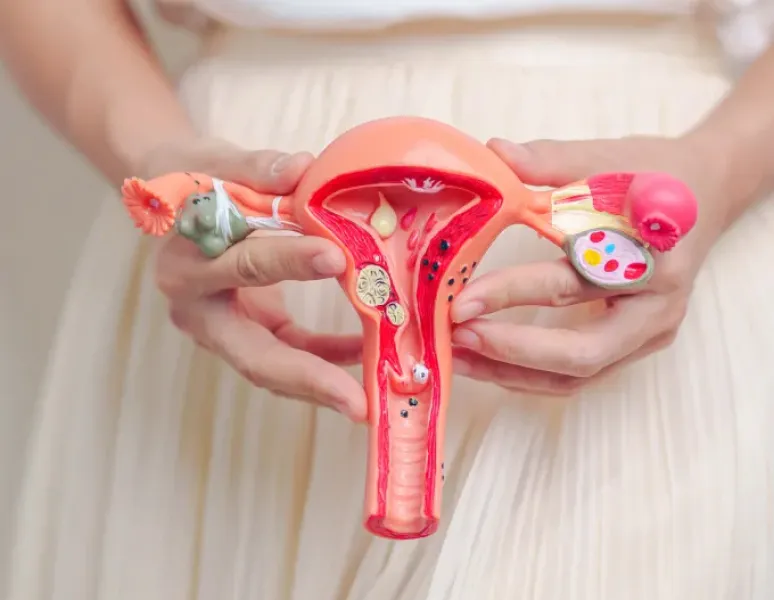
Vulvodynia is pain or discomfort in the vulva that has been present for 3 months or longer due to an unidentifiable cause. The vulva includes all tissues immediately external to the vagina from the fat pad at your pubic bone also known as the mons pubis, to the perineum, the area between the openings of the vagina and anus. This means that the clitoris, labia and opening of the vagina are included as a part of the vulva and may be affected by vulvodynia. While vulvodynia is not due to an active infection, a sexually transmitted disease or a dermatological condition, it can coexist with any of these. This makes the diagnosis elusive and frustrating for those who are suffering.
It is now believed that vulvodynia is likely not one disease, but a combination of symptoms of several (sometimes overlapping) disease processes. Injury, tension or irritation to the nerves of the vulva may contribute to sensations of itching, burning, tingling, and shooting pain. Similarly, the presence of myofascial tender points may contribute to symptoms. Furthermore, pelvic floor muscle weakness and resistance to stretch has been demonstrated in patients with vulvar pain compared to those without. Vulvodynia affects women in different ways from discomfort with intercourse to activities such as using a tampon, wearing clothing that comes in contact with the vulva and even sitting.
Who Gets Vulvodynia? When Does It Occur For Women?
Vulvodynia can affect women of all ages and ethnicities; studies suggest that vulvodynia affects as many as 16% of women aged 18 to 64 years. Potential associated factors include genetics, the use of combined hormonal contraceptives, and inflammation. Women with vulvodynia may also have pain syndromes like fibromyalgia or bladder pain syndrome. We also know that women of Hispanic origin are more likely to develop vulvar pain compared to other ethnicities. However, the variety of women who experience vulvodynia as well as the range of symptoms it can provoke continues to make assessing its causes and potential risk factors challenging and uncertain.
The Origin Way: Physical Therapy For Vulvodynia
According to the Fourth International Consultation on Sexual Medicine, pelvic floor Physical Therapy is one of the best treatment options available for those experiencing vulvodynia. However, vulvodynia is a complex condition that requires multidisciplinary care. Our team at Origin encourages communication between providers to optimize your outcomes.
As a part of your healthcare team, our pelvic floor Physical Therapists are trained to support a variety of symptoms related to vulvodynia. During your session, our Physical Therapists will work with you to determine how best to treat your condition by first performing a full body exam. This will help determine if any vulvar pain is being referred from other parts of the body, like your back or hips. We will also help you identify your vulva anatomy with the use of a mirror and encourage regular self-examinations to monitor any changes that may occur. We will assess for any neurological sensitivity that may be present and develop a plan to help desensitize the area. Soft tissue manipulation of the vulva and surrounding tissues is also important for creating an optimum healing environment and to reduce any inflammatory processes that might be occurring and will likely be included in your treatment. If tolerated, an internal pelvic floor examination will be performed to further assess involvement of the pelvic floor muscles in your symptoms. We will often progress to the use of vaginal trainers, formerly known as dilators, for those wishing to participate in penetrative intercourse or speculum insertion for gynecological exams. Whatever symptoms you may be experiencing, our Physical Therapists are prepared to help reduce your pain and give you the tools you need to manage your symptoms and achieve your goals.
If you have had vulvodynia for some time, you have likely sought help from several avenues. If you are new to vulvodynia we are so glad you are seeking quality information early on so that you can receive relief as soon as possible. At Origin, we wish to be a resource for you along this journey.
Groups like the National Vulvodynia Association (NVA) work tirelessly to research the condition, moving ever closer to discover the underlying cause/s and improve the health and quality of life for those with chronic vulvar pain. They include self-help strategies on their website that many find useful. https://www.nva.org.
Some women with vulvodynia suffer from other disorders as well and can find additional information through the Overlapping Conditions Alliance.
- Bornstein J, Goldstein AT, Stockdale CK, Bergeron S, Pukall C, Zolnoun D, et al. 2015 ISSV, ISSWSH, and IPPS Consensus Terminology and Classification of Persistent Vulvar Pain and Vulvodynia. Consensus Vulvar Pain terminology Committee of the International Society for the Study of Vulvovaginal Disease (ISSVD), the International Society for the Study of Women's Sexual Health (ISSWSH), and the International Pelvic Pain Society (IPPS); Obstet Gynecol 2016;127:745-51
- Patient Information Committee. The normal vulva. Waxhaw [NC]: ISSVD; 2021. https://www.issvd.org/application/files/3116/3298/1338/06EN_-_NormalVulva_2021.pdf3. Pukall CF, Goldstein AT, Bergeron S, et al. Vulvodynia: Definition, Prevalence, Impact, and Pathophysiological Factors. J Sex Med. 2016 Mar:13(3):291-304
- Pukall CF, Goldstein AT, Bergeron S, et al. Vulvodynia: Definition, Prevalence, Impact, and Pathophysiological Factors. J Sex Med. 2016 Mar:13(3):291-304
- Morin M, Bergeron S, Khalifé; S, Mayrand M-H, Binik Y M. Morphometry of the pelvic floor muscles in women with and without provoked vestibulodynia using 4D ultrasound. J Sex Med 2014;11:776-85
- Reed BD, Harlow SD, Sen A, et al. Prevalence and demographic characteristics of vulvodynia in a population-based sample. Am J Obstet Gynecol 2012; 206:170.e1-9
- Pukall CF, Goldstein AT, Bergeron S, et al. Vulvodynia: Definition, Prevalence, Impact, and Pathophysiological Factors. J Sex Med. 2016 Mar:13(3):291-304
- Kalfon L, Azran A, Farajun Y, et al. Localized Provoked Vulvodynia: Association with Nerve Growth Factor and Transient Receptor Potential Vanilloid Type 1 Genes Polymorphisms. J Low Genit Tract Dis. 2019 Jan:23(1):58-64
- Harlow BL, Vitonis AF, Stewart EG. Influence of oral contraceptive use on the risk of adult-onset vulvodynia. J Reprod Med 2008;53:102-10
- Pyka RE, Wilkinson EJ, Friedrich EG, Croker BP. The histopathology of vulvar vestibulitis syndrome. Int J Gynecol Pathol 1988;7:249-57
- Zanotta N, Campisciano G, Scrimin F, et al. Cytokine profiles of women with vulvodynia: Identification of a panel of pro-inflammatory molecular targets. Eur J Obstet Gynecol Reprod Biol. 2018 Jul;226:66-70
- Harlow BL, Stewart EG. A population-based assessment of chronic unexplained vulvar pain: have we underestimated the prevalence of vulvodynia? J Am Med Womens Assoc 2003; 58:82
- Goldstin AT, Pukall CF, Brown C, et al. Vulvodynia: Assessment and Treatment. The Journal of Sexual Medicine. 2016 Apr;13(4):572-90