
Learn how pelvic floor dysfunction, pain, and hormonal changes can contribute to low libido in women, and how pelvic floor physical therapy can help.
Life is busy, stressful, and full of change, making it completely normal for your sex drive to go through ups and downs. However, dips in your libido can still be frustrating, confusing, and leave you wondering why it’s happened.
Low libido doesn’t happen because of psychological or emotional factors alone (though those matter, too!). Your pelvic floor muscles, hormones, nerves, and pelvic tissues all play important roles in sexual desire and pleasure. Read on as we discuss the physical causes of low libido and how the right treatment and support can help.
What is low libido?
Libido refers to your interest in or desire for sexual activity. Like all things involving sex, there is no definition for a “normal” amount of libido; you may want sex more or less often than others, and your level of interest can change during different stages of life.
That said, female sexual interest/arousal disorder (FSIAD) is common, though hard to define or pin down. Anywhere between 9% and 26% of women in North America may have FSIAD, and plenty of factors can influence it: your body, your brain, your hormones, your medications, society…the list goes on.
The important things to note here are that:
- Low libido in women is common.
- Changes in sex drive aren’t a problem unless they’re causing you emotional stress, physical discomfort, or negatively impacting your relationships.
- Female sexuality is complex, and physical factors affect your sex drive just as much as mental factors.
Physical causes of low libido in women
Low libido in women has gotten the reputation for being a purely mental phenomenon, but that’s just not true. Sex drive and desire involve the entire body, and several physical factors can get in the way of having sex comfortably and pleasurably. If your body expects sex to be painful, uncomfortable, or physically taxing, your brain may naturally dial down desire as a protective response.
Physical causes of low libido in women include:
- Pelvic pain
- Pain during sex
- Pelvic floor muscle tension
- Vaginal tissue and pelvic floor muscle changes
- Hormonal changes postpartum, or during perimenopause and the postmenopausal years
How your pelvic floor can affect your sex drive
Your pelvic floor plays a major role in your experience with sex and intimacy, affecting your sex drive, desire, and satisfaction. This may come as a surprise to many people, and we get it! However, the more you know about these muscles, the more the connection between your pelvic floor and sex drive makes sense. Let’s look at how they’re related.
Pelvic floor tension’s role in painful sex & low libido
Just like any other muscle in your body, your pelvic floor muscles can become inflexible and resistant to stretch. Tense pelvic floor muscles work on overdrive; they can stay stuck in contraction, unable to loosen or relax. This muscle tension can contribute to:
- Painful sex: If your pelvic floor muscles are resistant to stretch, they can be uncomfortable (or downright painful) to touch or stretch during both penetrative and non-penetrative sex. You might also experience pain during an orgasm or after sex, as these muscles contract automatically and can cramp or seize up.
- Difficulty reaching orgasm: Women with overactive pelvic floor often report less sexual desire, arousal, and satisfaction, as muscle tension can limit blood flow to your genitals and pelvic nerves. Rhythmic, repeated contractions of your pelvic floor muscles also help orgasm happen. If those muscles can’t contract and relax well, orgasm can be harder to achieve.
Overactive pelvic floor muscles can make sex uncomfortable, painful, and frustrating…all of which can affect your relationship to intimacy and desire. Painful sex isn’t something you have to live with forever; pelvic floor physical therapy can help relax tight pelvic floor muscles so you can get back to having pain-free sex.
Pelvic floor, hormones, and sex drive
Experiencing a dip in sex drive is common during periods of hormonal change. Many people deal with low libido after menopause, during perimenopause, or postpartum, as these are times when your estrogen levels are low. It’s important to know that these hormonal changes aren’t “just in your head.” Periods of low estrogen affect you physically in ways that can disrupt your sex life and desire.
Estrogen helps stimulate blood flow to your genitals and pelvic floor. Without estrogen, your pelvic tissues become thinner, ligaments and muscles become weaker, and your vagina can feel drier and more sensitive. Hormonal changes don’t just reduce libido; they can create physical obstacles that make sex less comfortable and enjoyable.
Nervous system and persistent pain
It's completely natural for your libido to decrease if sex is uncomfortable or painful. Tight pelvic floor muscles and pelvic pain are both signs of pelvic floor dysfunction…and both can cause pain during sex. Without treatment, this pain can linger and become persistent.
If sex consistently hurts, your nervous system may interpret intimacy as something to avoid. Your body may start preparing for pain before sex with a loving partner even begins. Your muscles may tense up, and blood flow to your genitals can decrease. Your body is trying to keep you safe, but this protective response can make it harder to relax, become aroused, or feel interested in sex.
Can pelvic floor physical therapy help with low libido?
Absolutely. Pelvic floor physical therapy can help address and treat the physical factors that contribute to low libido…without ever working “directly” on desire. Because, while it may sound obvious, sex involves your body! Pelvic floor physical therapy helps you understand, clear up issues with, and connect with the parts of your body involved in sex.
Low libido & pelvic floor physical therapy: What to expect
Pelvic floor dysfunction can negatively impact your sex life, affecting your libido, ability to orgasm, sexual satisfaction, and overall sexual functioning. While the word “dysfunction” can sound scary, it just means that your pelvic floor muscles need some TLC. A pelvic floor physical therapist can determine whether your pelvic floor muscles need strengthening or stretching and relaxation training (or both!), and help you coordinate these muscles so they can better support you and your sex life.
Pelvic floor physical therapy should always be personalized to you and your needs, and take a full-body approach. To help address low libido, your treatment may include:
- Manual therapy to reduce muscle tension and improve tissue mobility so sex can become more comfortable
- Breathing techniques to increase your awareness of your pelvic floor and calm your nervous system
- Strengthening exercises to help encourage blood flow and reduce tissue laxity so sex can be more pleasurable
- Stretches to relax your pelvic floor muscles, reduce pain, and increase your awareness of sensations in your pelvic floor
- Strategies to help you understand and manage chronic pelvic pain, and return to intimacy comfortably and at your own pace
Low libido treatment: When to seek care
Sex and desire are complex, and everyone’s relationship with sex is their own. Dips in libido are common, especially during times of hormonal change or high stress. However, that doesn’t mean low libido is something you have to “just deal with.” Physical, pharmaceutical, and psychoemotional options can help:
- Reduce discomfort from dryness: Over-the-counter vaginal moisturizers and lubricants or prescription hormonal creams can make sex more comfortable and pleasurable if you’re experiencing vaginal dryness.
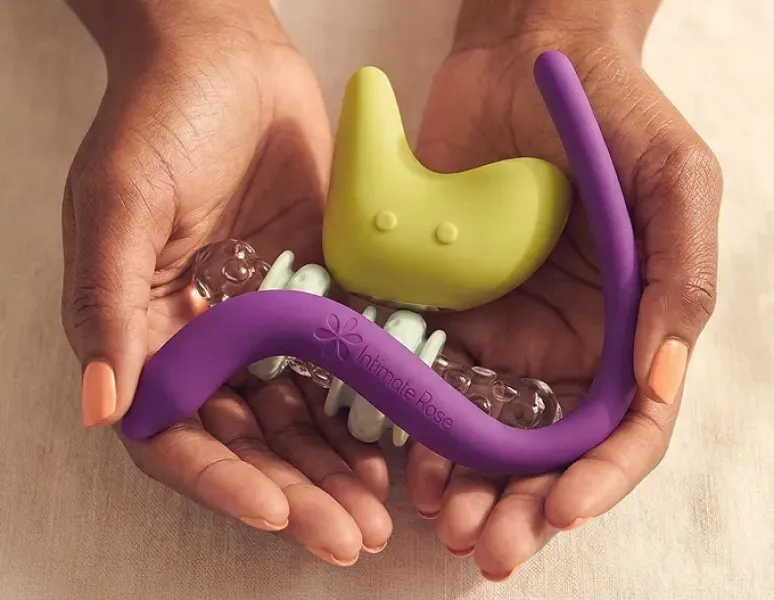
- Make penetration more comfortable: Vaginal dilators and pelvic floor wands can help gradually introduce penetration and reduce resistance to stretch in the pelvic floor muscles.
- Boost libido with a vibrator: A study of 79 women aged 18-80 found that participants reported an increase in desire, more frequent orgasms, and higher sexual satisfaction after three months of regular vibrator use.
- Treat female sexual interest/arousal disorder (FSIAD): Sex therapy can significantly improve your sexual desire, satisfaction, and function, making it an effective intervention for FSIAD. Several prescription medications are FDA-approved for treating FSIAD in premenopausal women, including Addyi and Vyleesi.
- Pelvic floor physical therapy: Caring for your pelvic floor can help your overall sexual functioning, making sex more comfortable, enjoyable, and pleasurable, especially if you experience discomfort with sex.
If you’re dealing with changes in your libido and sex life, know that you’re not alone, and you’re not without options. Our clinicians are here to help you identify the physical factors affecting your libido, suggest and help you find sex therapy when needed, and support you every step of the way. Reach out to book an appointment today.
- Padoa, A., McLean, L., Morin, M., & Vandyken, C. (2020). "The Overactive Pelvic Floor (OPF) and Sexual Dysfunction" Part 1: Pathophysiology of OPF and Its Impact on the Sexual Response. Sexual Medicine Reviews. https://doi.org/10.1016/j.sxmr.2020.02.002
- Pfaus, J., Hartmann, D., Wood, E., Wang, J., & Klinger, E. (2022). Women’s Orgasms Determined by Autodetection of Pelvic Floor Muscle Contractions Using the Lioness "Smart" Vibrator. The Journal of Sexual Medicine, 19(Supplement_3), S2–S3. https://doi.org/10.1016/j.jsxm.2022.05.011
- Angelou, K., Grigoriadis, T., Diakosavvas, M., Zacharakis, D., & Athanasiou, S. (2020). The Genitourinary Syndrome of Menopause: An Overview of the Recent Data. Cureus, 12(4). https://doi.org/10.7759/cureus.7586
- Mües, H. M., Markert, C., Feneberg, A. C., & Nater, U. M. (2025). Too stressed for sex? Associations between stress and sex in daily life. Psychoneuroendocrinology, 181, 107583. https://doi.org/10.1016/j.psyneuen.2025.107583
- Zhuo, Z., Wang, C., Yu, H., & Li, J. (2021). The Relationship Between Pelvic Floor Function and Sexual Function in Perimenopausal Women. Sexual Medicine, 9(6), 100441–100441. https://doi.org/10.1016/j.esxm.2021.100441
- Dubinskaya, A., Kohli, P., Poone Shoureshi, Breese, C., Scott, V., Anger, J. T., & Eilber, K. S. (2024). The Role of Vibrators in Women’s Pelvic Health: An Alluring Tool to Improve Physical, Sexual, and Mental Health. International Urogynecology Journal. https://doi.org/10.1007/s00192-024-05775-7
- Zahra Farahi, Mozhgan HashemZadeh, & Farnam, F. (2024). Sexual counseling for female sexual interest/arousal disorders: a randomized controlled trial based on the "good enough sex" model. The Journal of Sexual Medicine, 21(2), 153–162. https://doi.org/10.1093/jsxmed/qdad168
- Ghaderi, F., Bastani, P., Hajebrahimi, S., Jafarabadi, M. A., & Berghmans, B. (2019). Pelvic floor rehabilitation in the treatment of women with dyspareunia: a randomized controlled clinical trial. International Urogynecology Journal, 30(11), 1849–1855. https://doi.org/10.1007/s00192-019-04019-3